


Davis's Drug Guide
4.8228.00 Reviews
App Specs
- Version
- 2.8.47
- Updated On
- License
- Free
- Downloads
- 100,000+
- Developer
- Unbound Medicine, Inc
- Categories
- Medical
- Platform
- Android
Screenshots
 Analysis by AppCompare
I like Davis's Drug Guide best when I treat it as a focused clinical reference, not as a substitute for a pharmacist or a clinician who knows the person taking the medication. It puts drug information in a phone-friendly format and is aimed particularly at nurses and physicians, while still being readable enough for patients who want to prepare better questions. That mix is useful, but it also means the app’s depth can feel like more than a casual user needs.
Unbound Medicine, Inc develops this medical app, which is free to install and rated for Everyone. It has a 4.8 average from around 2,200 ratings, with over 100,000 installs. The current version is 2.8.47, and it has been available since June 25, 2015. Those figures suggest an established reference rather than a new experiment, though popularity alone cannot tell you whether its content fits your particular clinical workflow.
Finding and using medication information
The first thing I noticed when I downloaded Davis's Drug Guide was how user-friendly it is. The setup process is a breeze, and before you know it, you’re ready to dive into a wealth of drug information. Trust me, it's like having a mini-pharmacy reference in your pocket.
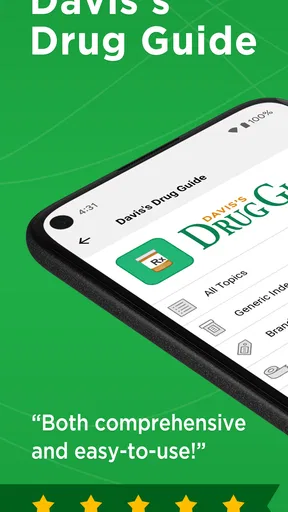
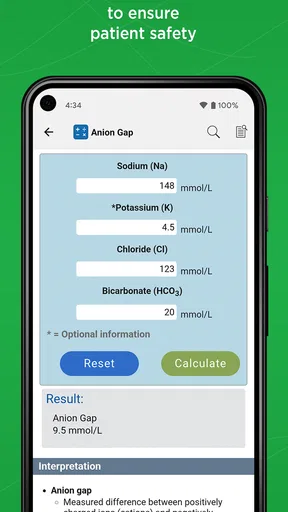
The app’s interface is sleek and intuitive. You won't find yourself lost in a maze of menus. Everything is laid out clearly, with a search bar prominently displayed at the top. Just type in the name of the drug you’re curious about, and voilà! You’ll have all the information you need.
Where a focused drug reference earns its space
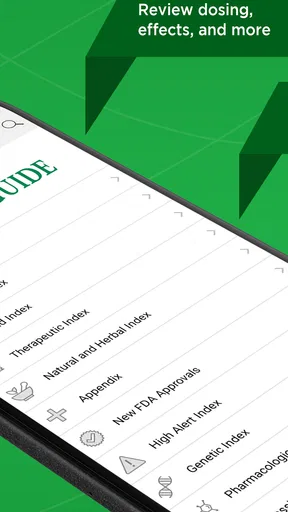
One of the standout features is the comprehensive drug database. It’s vast, covering everything from common over-the-counter meds to more specialized prescription drugs. What’s even better? The information is constantly updated, so you know you’re getting the most current details.
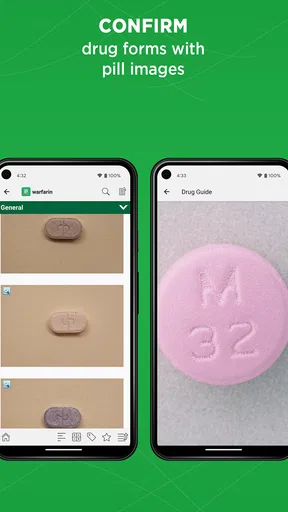
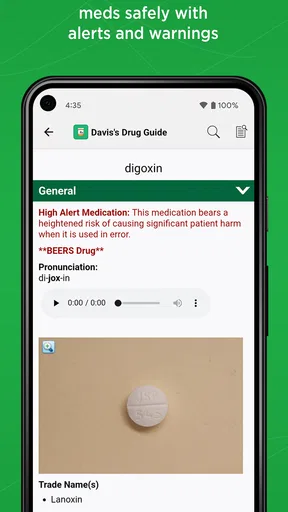
The app also offers detailed drug monographs. These are super handy if you want in-depth information about a specific medication. From dosage recommendations to potential side effects, it’s all there. And let’s not forget about the pill identifier feature, which is a lifesaver if you ever find yourself with a mystery pill.
Another neat feature is the interaction checker. This tool lets you input multiple medications to see if there are any potential interactions. It’s like having a personal pharmacist double-checking your meds. Seriously, this feature alone has saved me a few headaches.
Worth Reading Before You Choose

EA SPORTS FC Mobile 26 Is a Bigger Football Game, but It Takes Time

Flipboard Shows What News Apps Must Do Beyond the Feed

Switching to Android Auto Means Rethinking Your Driving Routine

Google Calendar Makes a Crowded Week Easier to Manage

Ludo King Makes the Most of the Minutes Between Plans

Baby Panda World Brings Quick Play to Modern Phones, but Its Game Library Feels Busy
The most useful way I’ve found to approach a monograph is with a specific question in mind. Instead of trying to absorb every section, I look up the drug and go straight to the detail relevant to the decision at hand, then check the surrounding information before drawing a conclusion. For a nurse reviewing a medication before a shift, that might mean confirming a dose-related point and scanning for side effects worth watching. For a patient, it may be more helpful to note an unfamiliar term and ask the prescriber or pharmacist about it than to interpret a clinical detail alone.
The interaction checker is also best treated as a prompt for follow-up, not a final safety clearance. A result can help flag a combination that deserves attention, but a person’s full medication list, health history, and current condition matter. I would use it to prepare a focused question for a healthcare professional, especially when several prescriptions or non-prescription medicines are involved. That cautious workflow is more responsible than assuming a clean-looking result means every combination is appropriate.
Useful in the middle of a real workday
Picture a nurse checking a medication during a busy shift and wanting to verify a detail without leaving the reference at hand. A quick search can get the relevant entry in front of them, and the monograph gives more context than a short search result or a brief note on a general health site. The practical advantage is not that it makes a clinical decision for the user; it helps the user locate information and then apply professional judgment.
For a student, the same lookup can turn a study session into a more active exercise. Rather than memorizing a drug name in isolation, you can use the entry to connect the medication with its practical considerations and then revisit the points that are hardest to remember. I’d avoid trying to read the entire reference cover to cover. It is more manageable to search around the medicines appearing in a lecture, placement, or case discussion and build familiarity in context.
For someone managing their own care, the clearest everyday use is preparation. Before an appointment, look up a medicine you have been prescribed, write down what you do not understand, and take those questions to the appointment. The guide can help you become more engaged in the conversation, but it should not be used to start, stop, or change a treatment without professional advice. That distinction matters particularly when a technical entry is easy to misread without clinical background.
Who benefits most—and who may prefer something else
Now, you might be wondering, who exactly is this app for? Well, it’s designed with healthcare professionals in mind, but honestly, anyone can benefit from it. If you’re a nurse or doctor, you’ll appreciate the app's depth and accuracy. But even if you’re just a curious patient, this app makes understanding your medications a whole lot easier.
Students in the medical field will also find it invaluable. It’s like having a study partner who never sleeps and always has the right answer. Whether you’re cramming for an exam or just trying to keep up with your studies, the app has got your back.
In my view, nurses, physicians, and health-profession students are the strongest fit because they are more likely to recognize which details need professional interpretation and how a drug reference supports, rather than replaces, their training. Patients can still get value from it, especially when they want to understand terminology or prepare questions. But a reader looking for a simple, plain-language explanation of a diagnosis or a personal treatment recommendation may find a patient education resource or a direct conversation with a pharmacist easier to use.
Compared with searching the web for each medicine, a dedicated drug guide offers a more organized way to consult medication information, and its monographs provide more depth than a quick snippet. The trade-off is that a specialist reference can be dense. General health websites may be more approachable for a first explanation, while a pharmacist is the better choice for advice about a specific person’s medicines. I see this app as most helpful between those options: a convenient reference for informed users who want to look up a drug carefully, not a replacement for individualized care.
Access, cost, and practical limitations
No app is perfect, and while Davis's Drug Guide is pretty close, there are a few areas where it could improve. For instance, the app does require a subscription for full access. While it’s worth every penny, it might not be feasible for everyone, especially if you’re on a tight budget.
Another thing to note is the app's offline capabilities. While you can access some information without an internet connection, having full offline access would be a game-changer. Imagine being able to pull up drug info in the middle of nowhere—a dream for those working in remote areas.
The app is free to install, but in-app purchases range from $0.99 to $39.99 per item, so I would check what access is included before relying on it as an everyday reference. The store describes the app as providing access alongside DrugGuide.com, with the latest edition and regular updates. That arrangement may be appealing to someone who values an actively maintained reference, but it is a real consideration for a student or occasional user who needs only a few lookups. If you only want to identify one medicine or answer a one-off question, a purchase may be more than you need.
Connectivity is another practical factor. Some information can be reached offline, but I would not assume every feature or entry will be available when a connection is absent. If you work somewhere with unreliable service, it makes sense to check what you can access before depending on the app during a shift. That limitation does not make the reference useless; it simply means it should not be your only plan for urgent information in a low-connectivity setting.
There is also a difference between having information and knowing how to use it. A detailed monograph can be reassuring, but the same amount of detail may overwhelm someone who does not recognize clinical terminology. The app is not the right choice if you expect it to diagnose a problem, determine whether a particular dose is safe for you, or replace a medication review. In those situations, a qualified professional can consider context the app cannot assess on its own.
My verdict for nurses, students, and curious patients
All in all, Davis's Drug Guide is a must-have app for anyone involved in the healthcare field or for those who simply want to be more informed about their health. With its vast database, intuitive design, and life-saving features, it’s a tool that can make a real difference in your daily life.
If you’re ready to take your medication knowledge to the next level, don’t hesitate to download the app. It’s like having a personal pharmacist in your pocket, and who wouldn’t want that?
My recommendation is strongest for healthcare workers and students who will return to a drug reference regularly and can make good use of the monographs, search, and interaction checker. Patients who enjoy reading detailed medication information may also appreciate having it close by, provided they treat it as preparation for a discussion rather than personal medical direction. If you need a simple explanation, guaranteed full offline access, or individualized advice, another resource or a conversation with a pharmacist may serve you better.
Pros
- Comprehensive drug database.
- User-friendly interface.
- Regular updates for accuracy.
- Offline access available.
- Integrated pill identifier.
Cons
- Requires subscription for full access.
- Limited free features.
- Occasional app crashes reported.
- No night mode for reading.
- High storage usage.
FAQs for Davis's Drug Guide
What is Davis's Drug Guide and how is it beneficial for healthcare professionals?
Davis's Drug Guide is a comprehensive resource that provides detailed information about medications, including their uses, side effects, contraindications, and interactions. It is especially beneficial for healthcare professionals such as doctors, nurses, and pharmacists who need reliable and up-to-date drug information to ensure safe and effective patient care.
Is Davis's Drug Guide available for both Android and iOS devices?
Yes, Davis's Drug Guide is available for both Android and iOS devices. The app can be downloaded from the Google Play Store for Android users and the Apple App Store for iOS users, ensuring accessibility across different platforms for healthcare professionals on the go.
Does the app offer offline access to drug information?
Davis's Drug Guide provides offline access to its extensive database, allowing users to retrieve critical drug information without an internet connection. This feature is particularly useful for healthcare professionals working in environments where internet access may be limited or unreliable.
Are there any additional features in the app that enhance its usability?
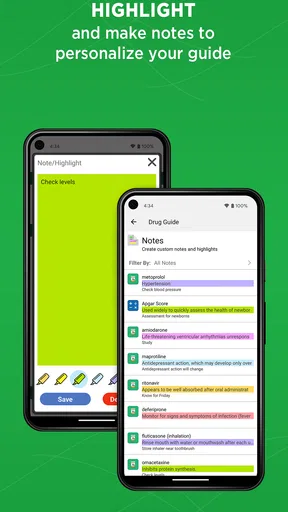
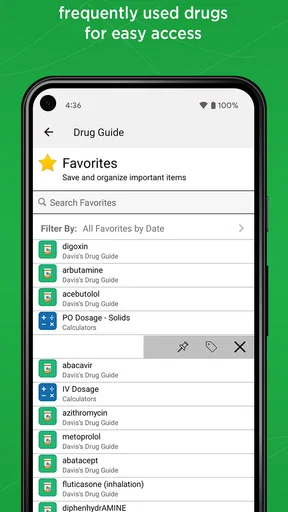
The app includes several additional features that enhance usability, such as a robust search function, bookmarking, and the ability to add notes. It also offers regular updates to ensure the latest drug information is always available, which is crucial for making informed clinical decisions.
Is there a subscription fee for using Davis's Drug Guide?
Yes, Davis's Drug Guide typically requires a subscription fee to access its full range of features and content. The subscription ensures users receive regular updates and have access to the most current drug information. It’s advisable to check the app store for the latest subscription rates and offers.


